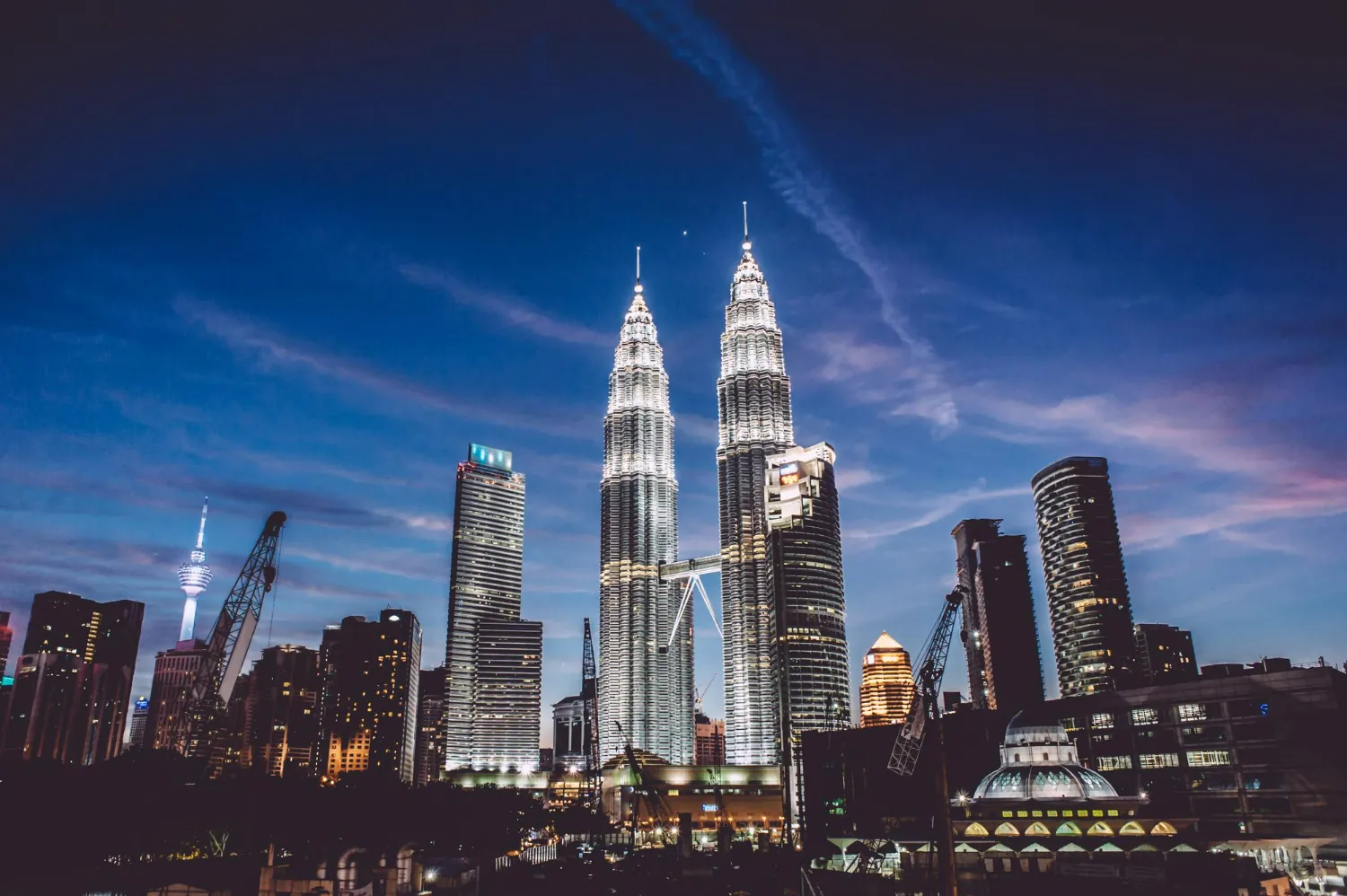

As of 31 August 2025, Chinese nationals formed the largest nationality group under Malaysia’s revamped Malaysia My Second Home programme. According to a written parliamentary reply by the Minister of Tourism, Arts and Culture, 3,414 of the 5,972 MM2H pass holders approved under the revised programme were Chinese nationals, representing approximately 57%. The figures include both principal participants and their dependants.
Administered by the Ministry of Tourism, Arts and Culture, MM2H allows eligible foreign nationals to reside in Malaysia under a renewable long-term Social Visit Pass. The programme currently offers Silver, Gold, Platinum and Special Economic Zone or Special Financial Zone categories, with validity periods ranging from 5 to 20 years. Eligible family members may be included as dependants, while property-purchase and minimum-stay requirements vary according to the applicant’s category and age.
Malaysia’s appeal to Chinese applicants is likely driven by a combination of factors, including cultural and linguistic familiarity, living and housing costs, international education options, property ownership and the opportunity to establish a long-term base in Southeast Asia.
This article explores these factors and how they may influence different applicants’ decisions.
Chinese Applicants Make Up a Significant Share of MM2H Interest
Official parliamentary figures show that Malaysia received 30,303 MM2H applications between 2015 and 2024, of which 22,282 were approved. China was the largest source country, recording 15,053 applications and 10,830 approvals. The figures were disclosed in an official parliamentary written reply dated 5 March 2025.
According to The Star, Malaysia's revised MM2H programme recorded 14,535 applications between the implementation of the new policy in June 2024 and the end of 2025. This comprised 5,239 principal applicants and 9,296 dependants.

Of these, 7,600 applications came from China, accounting for approximately 52% of the total. Taiwan accounted for a further 2,419 applications and Hong Kong contibuted 604. The figures demonstrate particularly strong interest from China, Taiwan and Hong Kong, but nationality alone does not establish applicants’ ethnicity or individual motivations.
Reported reasons for considering MM2H include family relocation and access to international education, retirement, property and second-home planning, and the opportunity to establish a long-term strategic base in Southeast Asia. These priorities may overlap, but they differ between applicants and should not be treated as universal.
Why MM2H Appeals to Chinese Applicants

Before examining the specific motivations, it is useful to understand what MM2H provides. Under the three main national categories, the programme offers:
- A renewable MM2H Social Visit Pass with a Multiple Entry Visa, valid for five years under Silver, 15 years under Gold or 20 years under Platinum
- The inclusion of eligible dependants, including spouses, parents, parents-in-law and children up to the age of 34, subject to the applicable conditions
- The flexibility to enter and leave Malaysia multiple times during the validity of the pass
- The opportunity to establish a second home in Malaysia, with participants required to purchase a residential property that meets the minimum threshold for their selected category
- Silver, Gold and Platinum options with different fixed-deposit, property and participation requirements
These features may appeal to Chinese applicants seeking a structured long-term residence option for themselves and their families while retaining the flexibility to maintain personal, professional or financial ties elsewhere.
MM2H can provide a formal basis for second-home planning, although it does not grant Malaysian permanent residency or citizenship. For a detailed breakdown of the requirements, see our MM2H Silver, Gold and Platinum comparison.
Work-Life Balance Considerations
For some Chinese nationals considering Malaysia, the opportunity to enjoy a work-life balanced lifestyle may be one of the country's attractions. This is often viewed in contrast to the demanding work culture experienced by some employees in China.
Concepts such as "996", which refers to working from 9 am to 9 pm, six days a week, and "neijuan" (内卷), a term describing intense competition that requires increasing effort without proportional rewards, have become widely discussed in recent years.

While these experiences do not reflect the circumstances of every Chinese worker or MM2H applicant, they may help explain why some individuals and families are exploring alternative lifestyle options in destinations such as Malaysia.
A Malay Mail report on Chinese nationals living in Malaysia highlighted residents who appreciated clearer boundaries between work and personal life, along with greater opportunities to spend time with family and pursue leisure activities.
While these personal accounts should not be treated as universal, they suggest that work-life balance may influence some applicants who are considering Malaysia as a long-term or second-home destination through MM2H.
Cultural and Linguistic Familiarity
Malaysia has one of Southeast Asia’s largest ethnic Chinese communities. According to the Department of Statistics Malaysia’s 2025 population estimates, ethnic Chinese make up approximately 22% of Malaysian citizens. This established community can make Malaysia feel more familiar to Chinese nationals considering a long-term stay.
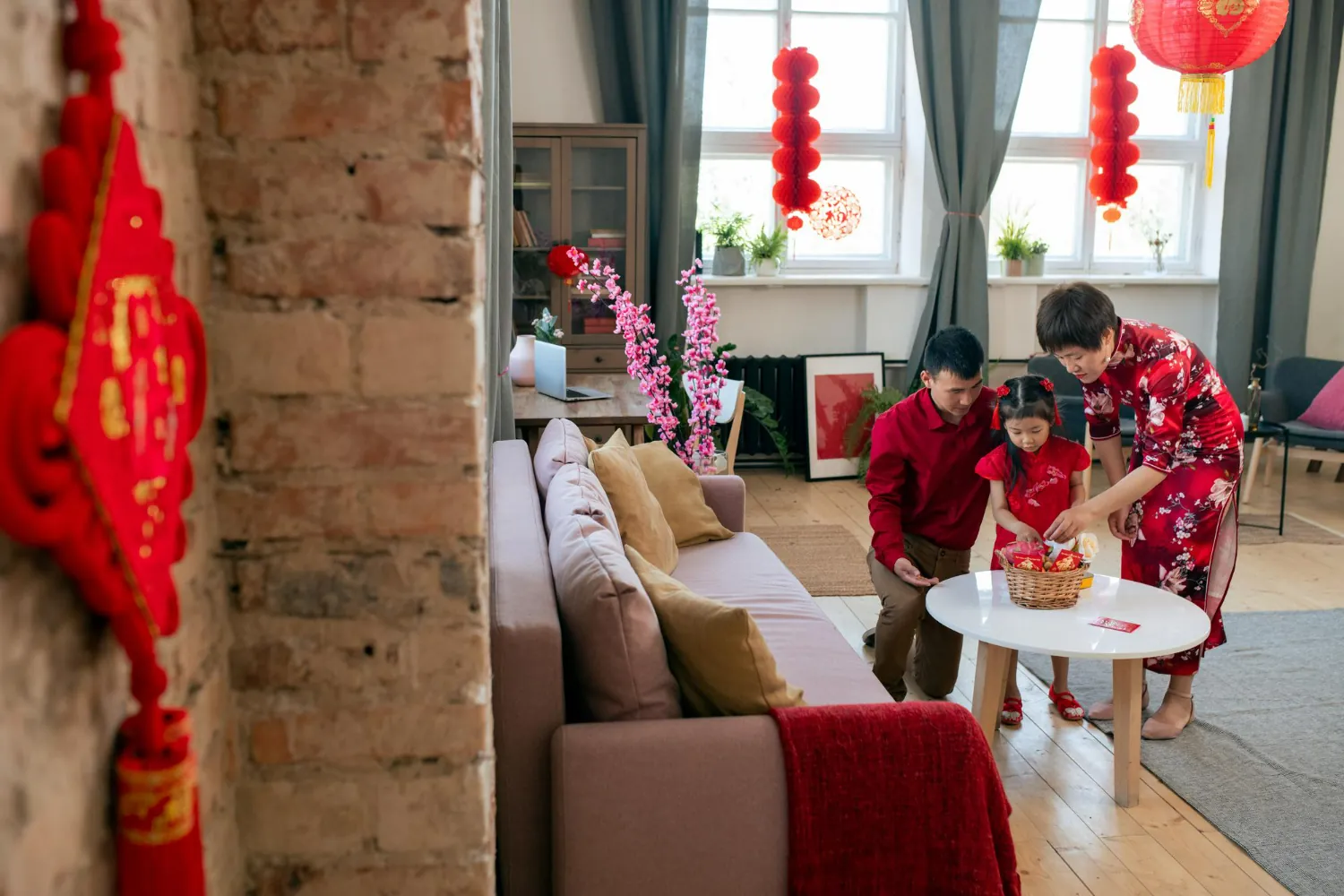
Mandarin and Chinese dialects are commonly used within Malaysian Chinese communities, while English remains widely used in business and education. The Malaysian government’s official portal also notes that ethnic communities are free to use languages such as Mandarin, alongside Bahasa Malaysia as the national language. Chinese-medium primary schools are also part of the national education system.
Chinese cuisine, temples and celebrations such as Chinese New Year and Chap Goh Meh are also well established in Malaysia. This cultural familiarity may ease the adjustment for some older applicants and families while still allowing them to experience Malaysia’s broader multicultural environment.
Cost of Living and Housing Compared With Tier-One Chinese Cities
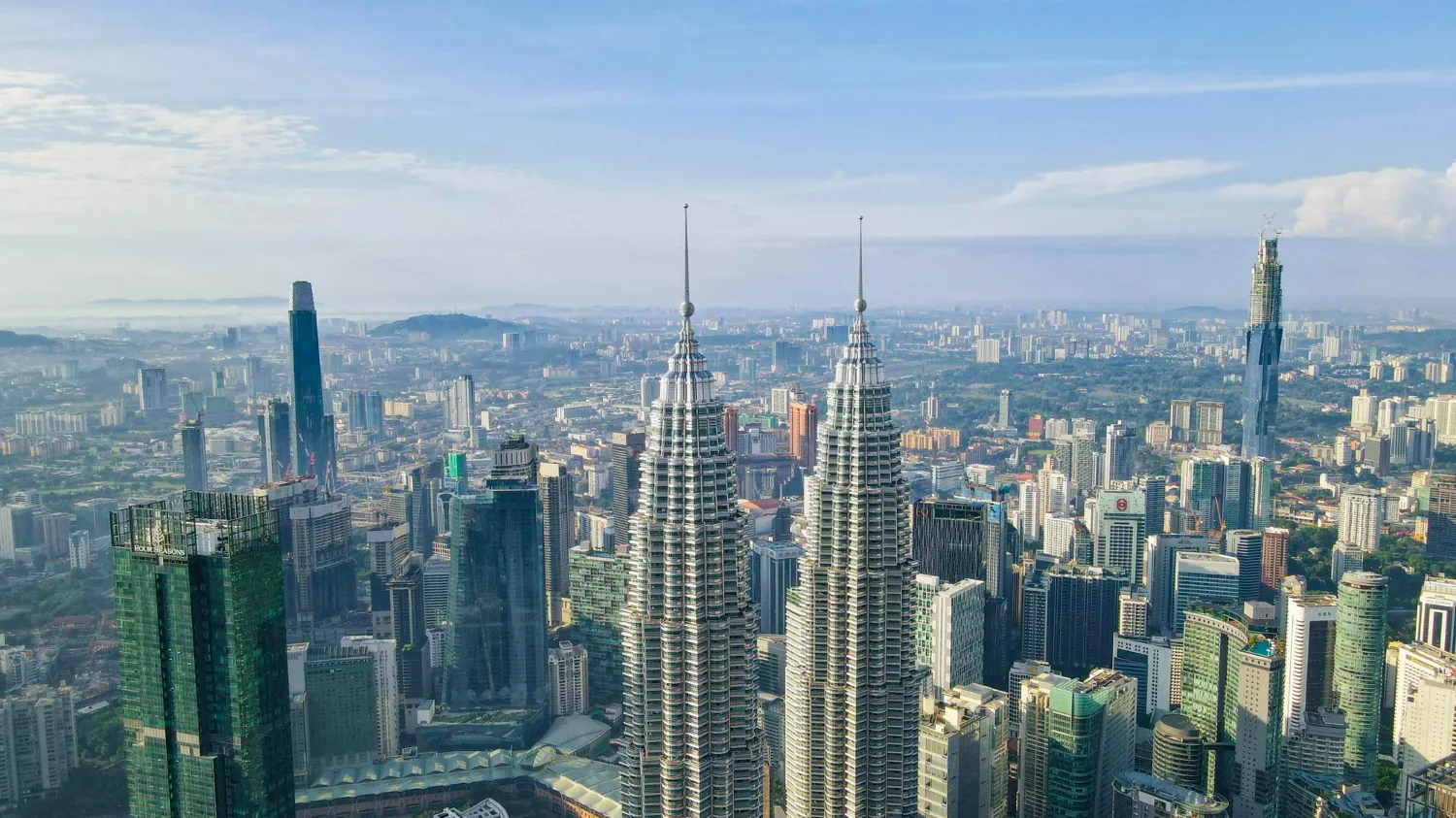
For Chinese nationals comparing Malaysia with tier-one Chinese cities such as Beijing, Shanghai and Shenzhen, the strongest cost difference is usually housing. Based on Numbeo’s 2026 Cost of Living Index by City, Kuala Lumpur’s Cost of Living Plus Rent Index is lower than Shanghai, Beijing and Shenzhen.
Its rent index is also lower at 13.8, compared with 23.2 in Shanghai, 23.5 in Beijing and 18.9 in Shenzhen. This suggests that once housing is included, Kuala Lumpur can offer a more manageable cost base for long-stay residents.
The difference becomes clearer when looking at rent and property prices. According to Numbeo’s Kuala Lumpur–Beijing comparison, city-centre rents in Beijing are higher than in Kuala Lumpur. A one-bedroom apartment is listed at RM4,348.61 in Beijing compared with RM2,600 in Kuala Lumpur, while a three-bedroom apartment is listed at RM9,439.97 in Beijing compared with RM4,942.86 in Kuala Lumpur.
Property purchase prices also show a wide gap. The average city-centre apartment purchase price is listed at RM51,050.15 per square metre in Beijing, compared with RM16,746.26 per square metre in Kuala Lumpur.
Education is another area where some families may find Malaysia more manageable. International school fees in China’s major cities can be high. For example, BASIS International School Shenzhen’s 2025/2026 fees range from RMB264,160 to RMB326,760 per year depending on grade level.
By comparison, International Schools Database listings for Kuala Lumpur show a wider fee range, with several schools listing 2025/2026 annual fees below RM70,000. This does not mean every Malaysian international school is inexpensive, but it gives families more price points to compare.
Transport and food costs should be viewed more carefully. Kuala Lumpur’s Rapid Bulanan pass offers 30 days of unlimited Rapid KL rail and bus travel for RM150, while Shanghai’s official city portal states that Shanghai Metro fares start from 3 yuan for journeys under 6 km. This means both Malaysia and China can offer affordable public transport in major cities.
Food is also lifestyle-dependent. Local Malaysian food can be affordable, but imported groceries, premium supermarkets and international restaurants can reduce the cost advantage.
Overall, Malaysia’s cost advantage is strongest in housing and selected family-related expenses, while daily costs such as food, transport, and education should be compared based on each applicant’s lifestyle and chosen city.
Education Access for Chinese Families
Education is one of the practical reasons Malaysia may appeal to Chinese families considering MM2H. Under the official MM2H terms and regulations, dependent children are allowed to pursue education in Malaysia up to tertiary level at government-recognised higher learning institutions. This allows families to plan their children’s schooling or university pathway while maintaining a long-term residence base in Malaysia.

This education appeal is also reflected in the rising number of Chinese students choosing Malaysia for higher education. According to The Star, students from China submitted 33,216 applications to study in Malaysia in 2024, up from 26,627 applications in 2023.
Applications from China also continued to grow in Q1 2025, rising to 5,876 from 5,780 in the same period the previous year. For families with older children, this suggests that Malaysia is increasingly viewed not only as a second-home destination, but also as a viable education pathway.
Planning Your MM2H Journey in Malaysia
The scale of Chinese participation in MM2H reflects a mix of practical and personal factors. These may include Malaysia’s familiar cultural environment, cost advantages in areas such as housing, access to education, and a residence framework that supports long-term second-home planning.

Different applicants will weigh these factors differently. Retirees may prioritise healthcare access and lifestyle. Families with children may focus on education. Investors may pay closer attention to property requirements, fixed deposit commitments and future planning. There is no single profile that captures every Chinese MM2H applicant, and individual motivations should not be treated as universal.
For Chinese nationals who want to establish a second home while maintaining ties elsewhere, MM2H offers a structured long-term residence option in Malaysia. The programme allows eligible applicants to plan around family, property and lifestyle needs without necessarily committing to full emigration.
If you are a Chinese national considering MM2H and would like to understand which category suits your circumstances, Perfect Homes MM2H can assist with the process. We hold MOTAC Licence No. MM2H822 operates from offices in Penang and Kuala Lumpur.
To arrange an initial consultation, please contact us.
Answer Library
Frequently Asked Questions
Is MM2H permanent residency?
No. MM2H is a renewable long-term Social Visit Pass with a Multiple Entry Visa. It is not Malaysian permanent residency and does not grant citizenship.
The pass duration depends on the selected category, such as 5 years for Silver, 15 years for Gold and 20 years for Platinum.
Can Chinese applicants include their spouse and children?
Yes. Eligible dependants may be included under the principal applicant’s MM2H pass. This may include a spouse, children below 21, children aged 21 to 34 who are single and unemployed while in Malaysia, medically certified disabled children, parents and parents-in-law.
Dependant rules should be checked against the latest MOTAC guidelines before applying.
Must MM2H participants purchase property?
Yes, under the current national Silver, Gold and Platinum categories, participants are required to purchase and own a residential property after approval. The minimum property value depends on the category: RM600,000 for Silver, RM1 million for Gold and RM2 million for Platinum.
The property generally cannot be sold for 10 years, except when upgrading to a higher-value property.
Do Chinese documents need to be translated into English?
Yes. Documents in Chinese must be translated into English for MM2H submission. The Malaysian Immigration Department’s MM2H guidelines state that documents must be translated by Dewan Bahasa dan Pustaka, or by a Malaysian embassy or consulate general abroad.
Marriage and birth certificates must also be certified as true copies by a Malaysian embassy or consulate general abroad, or by a public notary in Malaysia.
Can MM2H participants work or operate a business in Malaysia?
It depends on the category. Silver, Gold and SEZ/SFZ participants are not allowed to take up career opportunities or business and investment activities under the current MM2H category pages. Platinum participants are allowed to engage in business, investment and career opportunities.
Applicants should confirm the rules before carrying out any paid work or business activity in Malaysia.
How long can participants stay under MM2H?
Participants may stay in Malaysia during the validity of their MM2H pass, subject to programme conditions. The current minimum-stay rule is 90 cumulative days per year for participants below 50, and this may be fulfilled by the principal applicant, spouse or dependants. Participants aged 50 and above currently have no minimum-stay requirement. The pass is renewable if the renewal conditions are met.