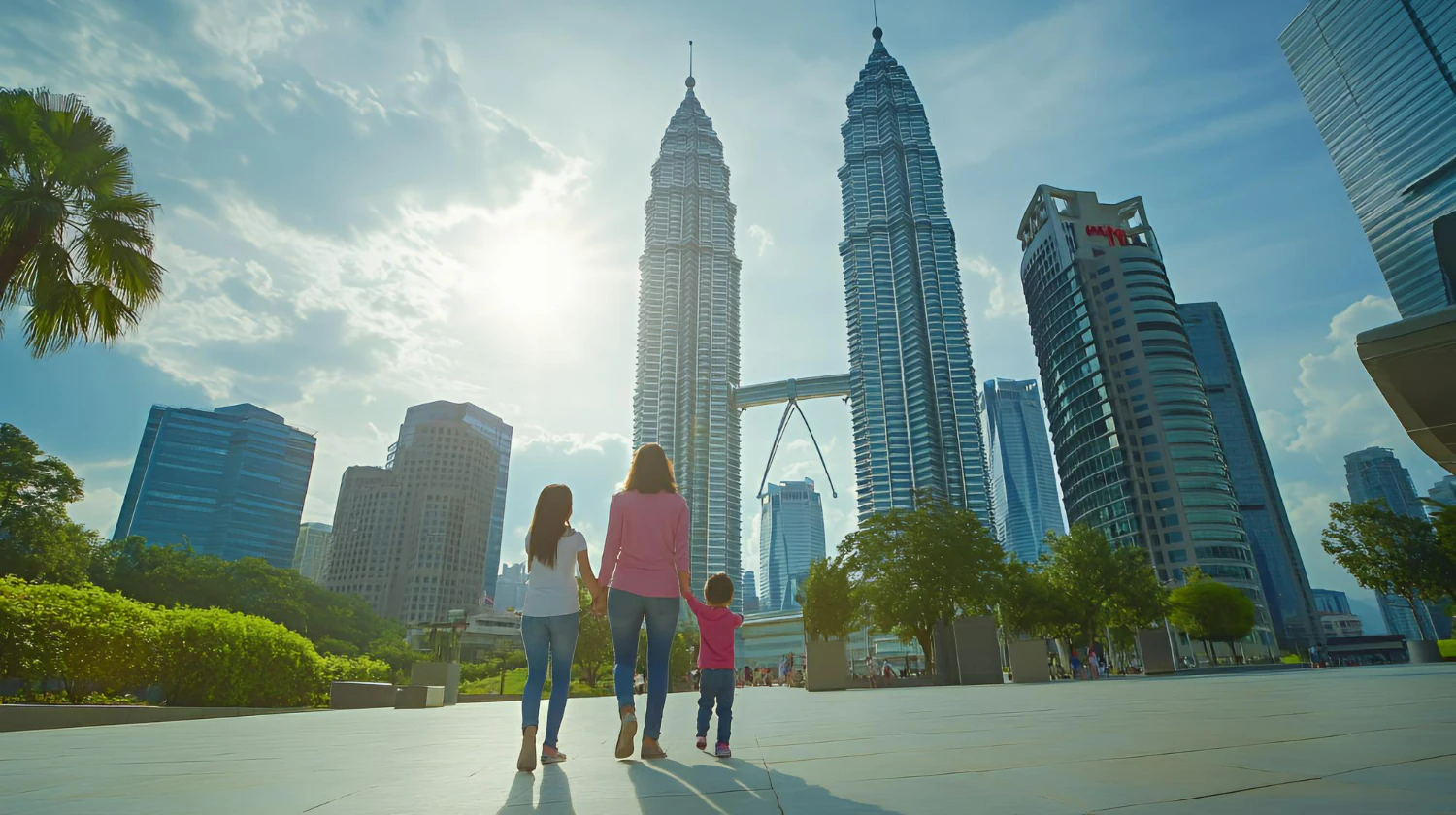

Malaysia is an attractive retirement destination for foreigners seeking tropical weather, modern conveniences, accessible private healthcare and a comfortable lifestyle in Southeast Asia.
For many eligible foreigners, the Malaysia My Second Home (MM2H) programme provides a structured pathway to live in Malaysia long-term.
Malaysia also offers a year-round tropical climate and multicultural environment, a diverse food culture and access to accredited hospitals and specialist centres. However, retiring here involves practical planning as well. Foreigners need to navigate visa pathways, financial requirements, property ownership rules, healthcare planning and banking arrangements before relocating.
This guide explains how to retire in Malaysia as a foreigner, how the MM2H programme works and what you should consider before making the move.
Can Foreigners Retire in Malaysia?

Yes!
Malaysia does not have a visa officially named a “retirement visa”. Instead, eligible foreigners who want to retire or reside in Malaysia long term commonly apply through the Malaysia My Second Home programme.
Foreigners can retire in Malaysia if they meet the relevant visa or long-term stay requirements.
Unlike a short tourist stay, MM2H offers eligible participants a renewable social visit pass with a multiple-entry visa, allowing them to live in Malaysia on a longer-term basis.
The programme is open to foreign individuals from sovereign countries with diplomatic relations with Malaysia. It also allows participants to include dependants, including a spouse, biological children, stepchildren or adopted children, medically certified children with disabilities, and parents or parents-in-law, subject to the current MM2H conditions.
Since its launch, MM2H has attracted tens of thousands of approvals, making it one of the region’s established long-term stay programmes for foreigners considering Malaysia as a second home.
Why Foreigners Choose Malaysia for Retirement
1. Affordable Cost of Living
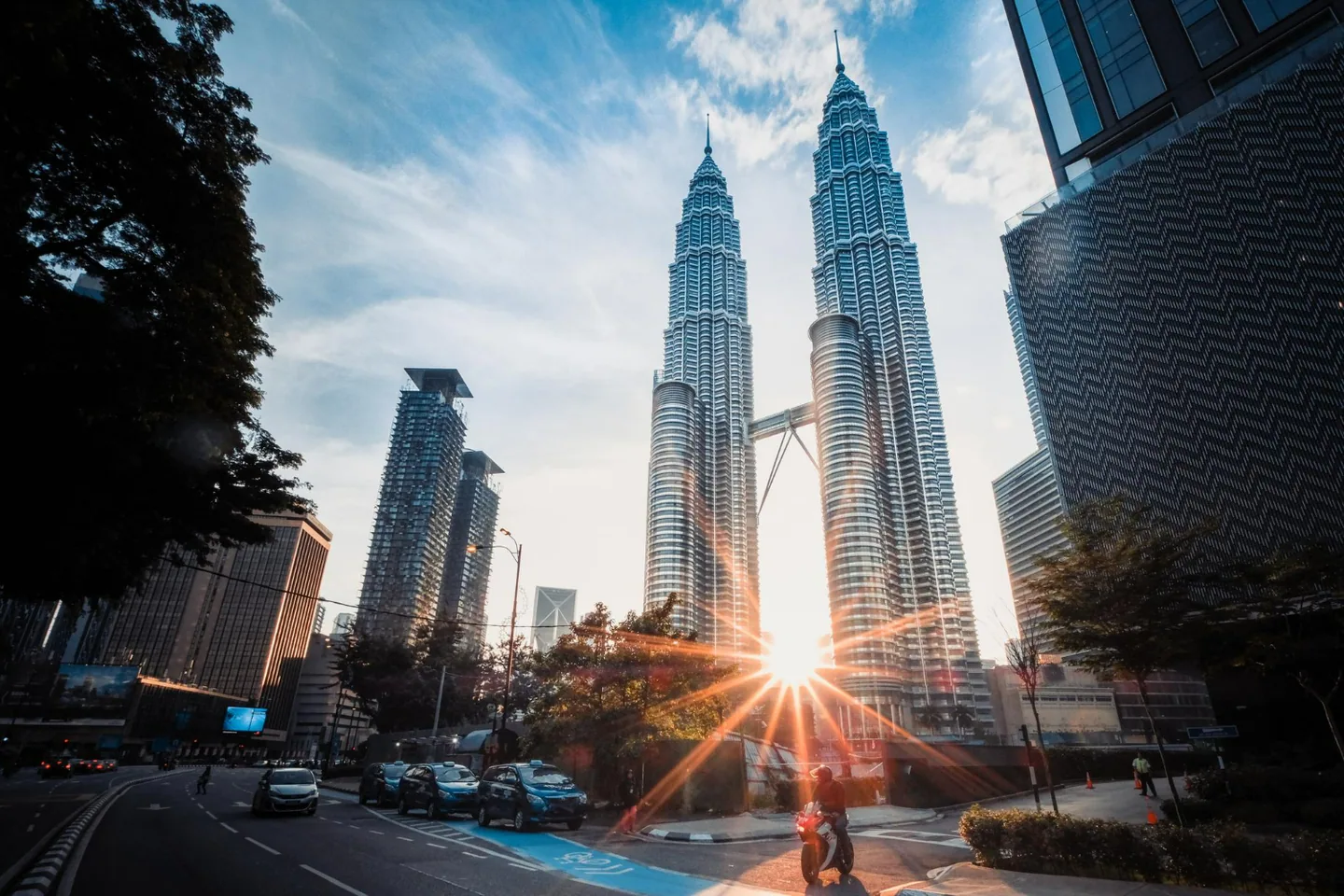
Malaysia can offer lower everyday living costs than many major cities in Australia, Europe, North America and parts of East Asia. Everyday expenses, such as rent, food, transport and dining out are generally lower.
This means retirement savings may go further for those receiving income in stronger foreign currencies.
However, actual costs vary depending on lifestyle, location, housing choice, healthcare needs and exchange rates. Retirees living in central Kuala Lumpur or popular areas of Penang may spend more than those living in smaller cities.
2. Access to Private, High-Quality Healthcare

Malaysia already has an established private healthcare sector and is steadily building its reputation as a regional healthcare and medical tourism hub.
Private hospitals in cities such as Kuala Lumpur and Penang, recognised by the Malaysia Healthcare Travel Council (MHTC), offer modern facilities, specialist care, diagnostic services and international patient support, backed by accredited institutions and government-linked agencies.
Many international visitors already travel to Malaysia specifically for medical treatment, reflecting the country's growing credibility and making it a practical choice for retirees who want healthcare, comfort and daily convenience in one location.
Before selecting a retirement location, retirees should consider the distance to suitable hospitals, the availability of medical specialists and whether their insurance covers treatment in Malaysia.
3. Lower Risk of Major Natural Disasters
Malaysia has a relatively lower risk of major earthquakes, tsunamis and direct tropical cyclone impacts compared with countries.
According to Malaysia’s National Risk Register, the country is not located within the “Pacific Ring of Fire”, so major earthquakes and tsunamis are not common. However, these risks cannot be completely excluded, and Malaysia still experiences hazards such as floods, landslides and localised storms.
4. Cultural Harmony and Language Ease

Malaysia's multicultural society, shaped by Malay, Chinese, Indian and other ethnic communities, creates a welcoming environment for expatriates.
While Bahasa Malaysia is the national language, English is widely used in business, healthcare and daily life across urban areas. Mandarin, Chinese dialects and Tamil are also commonly spoken.
This multilingual environment can make the transition smoother for retirees from Western countries, China, Hong Kong, Taiwan, India and so on.
5. Modern Infrastructure and Everyday Convenience
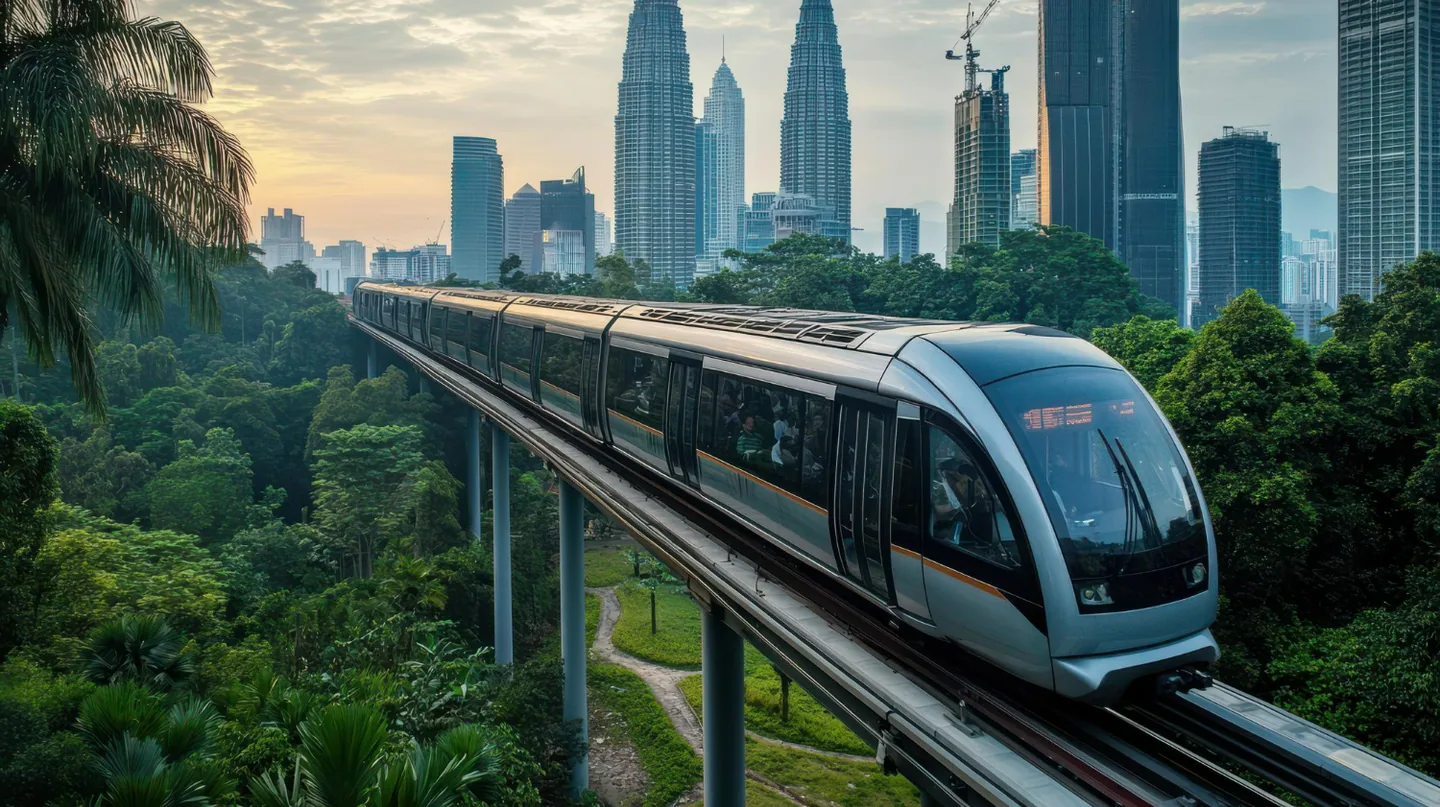
Malaysia’s modern infrastructure is one reason foreigners choose the country for retirement.
Major cities have established road networks and transport connections, while Kuala Lumpur has an integrated rail system that includes MRT, LRT, KTM Komuter, monorail and airport rail services. These connections make it easier for foreign retirees to reach city centres, healthcare facilities and other important destinations.
Everyday convenience is another advantage of retiring in Malaysia. Established urban and suburban areas generally provide easy access to supermarkets, restaurants, shopping malls, banks, pharmacies, clinics and hospitals.
International credit cards are widely accepted at many shops and restaurants, while e-hailing services offer a practical option for those who do not drive. However, access to transport and amenities varies by location, so retirees should compare neighbourhoods before choosing where to live.
MM2H as a Long-Term Stay Option for Foreign Retirees
For foreigners planning to retire in Malaysia, the Malaysia My Second Home (MM2H) programme offers eligible international participants a renewable pass and Multiple Entry Visa, providing a more structured alternative to short tourist visits. Eligible dependants, including a spouse, children, parents and parents-in-law, can also be included under the same application.
The table below summarises the four MM2H categories: Silver, Gold, Platinum and SEZ/SFZ, to help retirees compare key requirements at a glance before choosing the right option.
| Feature | Silver | Gold | Platinum | SEZ / SFZ |
|---|---|---|---|---|
| Fixed Deposit | USD 150,000 | USD 500,000 | USD 1,000,000 | USD 65,000 (below age 50) / USD 32,000 (age 50 and above) |
| MM2H Pass Validity | 5 years | 15 years | 20 years | 10 years |
| Min. Property Purchase | RM 600,000 | RM 1,000,000 | RM 2,000,000 | Price as set for SEZ Property Development |
| Residency Requirement | 90 days per year (waived if aged 50 and above) | 90 days per year (waived if aged 50 and above) | 90 days per year (waived if aged 50 and above) | 90 days per year (waived if aged 50 and above) |
| Work Rights | Not permitted | Not permitted | Permitted | Not permitted |
| Dependants Allowed | Spouse, children (\<21), children (21–34, single & unemployed), disabled children (no age limit), parents/parents-in-law | Spouse, children (\<21), children (21–34, single & unemployed), disabled children (no age limit), parents/parents-in-law | Spouse, children (\<21), children (21–34, single & unemployed), disabled children (no age limit), parents/parents-in-law, foreign maid | Spouse, children (\<21), children (21–34, single & unemployed), disabled children (no age limit), parents/parents-in-law |
| Renewable | Yes | Yes | Yes | Yes |
MM2H requirements may change. Applicants should confirm the latest official conditions before making financial or property commitments.
Cost of Retiring in Malaysia
Understanding the real costs of retiring in Malaysia is essential for financial planning.
The costs broadly fall into two categories:
- MM2H financial commitments and application expenses
- Ongoing monthly living expenses
MM2H Financial Commitments and Application Expenses
The main costs and financial commitments may include:
- The required fixed deposit
- A qualifying residential property
- The government participation fee
- Application processing and endorsement charges
- Medical examinations
- Medical insurance
- Document translation and certification
- Legal and property transaction fees
- Professional fees charged by a licensed MM2H company
Applicants should request a written quotation that clearly separates government charges from professional service fees and third-party expenses.
Monthly Living Costs in Malaysia
The monthly cost of retiring in Malaysia depends largely on:
- Where you live
- The type of accommodation you choose
- Healthcare needs
- Your preferred lifestyle.
Major cities such as Kuala Lumpur and Penang generally have higher housing and dining costs, while smaller cities and suburban areas may offer more affordable options. Foreign retirees should consider rent or property expenses, utilities, groceries, transport, healthcare, insurance, dining and leisure activities when planning their retirement budget.
Housing is often the largest monthly expense, followed by healthcare and daily living costs. Retirees who rely on private medical care, own a car or frequently dine at international restaurants may need a larger budget.
Before relocating, prepare a realistic monthly budget based on your chosen location and personal needs. You should also keep MM2H financial requirements separate from your everyday living budget, as programme deposits and qualifying conditions are not the same as monthly household expenses.
Healthcare and Medical Insurance for Foreign Retirees
Healthcare planning is an important part of retiring in Malaysia as a foreigner, particularly for retirees who require regular medication, specialist appointments or ongoing treatment. Before choosing where to live, consider the availability of nearby clinics, pharmacies, hospitals, emergency departments and relevant medical specialists.
Medical insurance can help manage the financial impact of unexpected hospitalisation or treatment. When comparing policies, check:
- The maximum entry and renewal age
- Annual coverage limit
- Hospital and surgical benefits
- Panel hospital network
- Deductibles or co-payments
- Waiting periods
- Exclusions for pre-existing conditions.
Retirees should disclose their medical history accurately and confirm whether the policy provides coverage and direct billing at their preferred hospitals in Malaysia.
Under the official MM2H guidelines, the principal applicant and dependants must undergo a medical examination at a panel clinic or hospital appointed by the Ministry of Tourism, Arts and Culture after receiving approval.
As medical and insurance arrangements form part of the MM2H process, foreign retirees can contact Perfect Homes for MM2H assistance with understanding the requirements, preparing the necessary documents and coordinating the next steps of their application.
Best Places to Retire in Malaysia
Penang
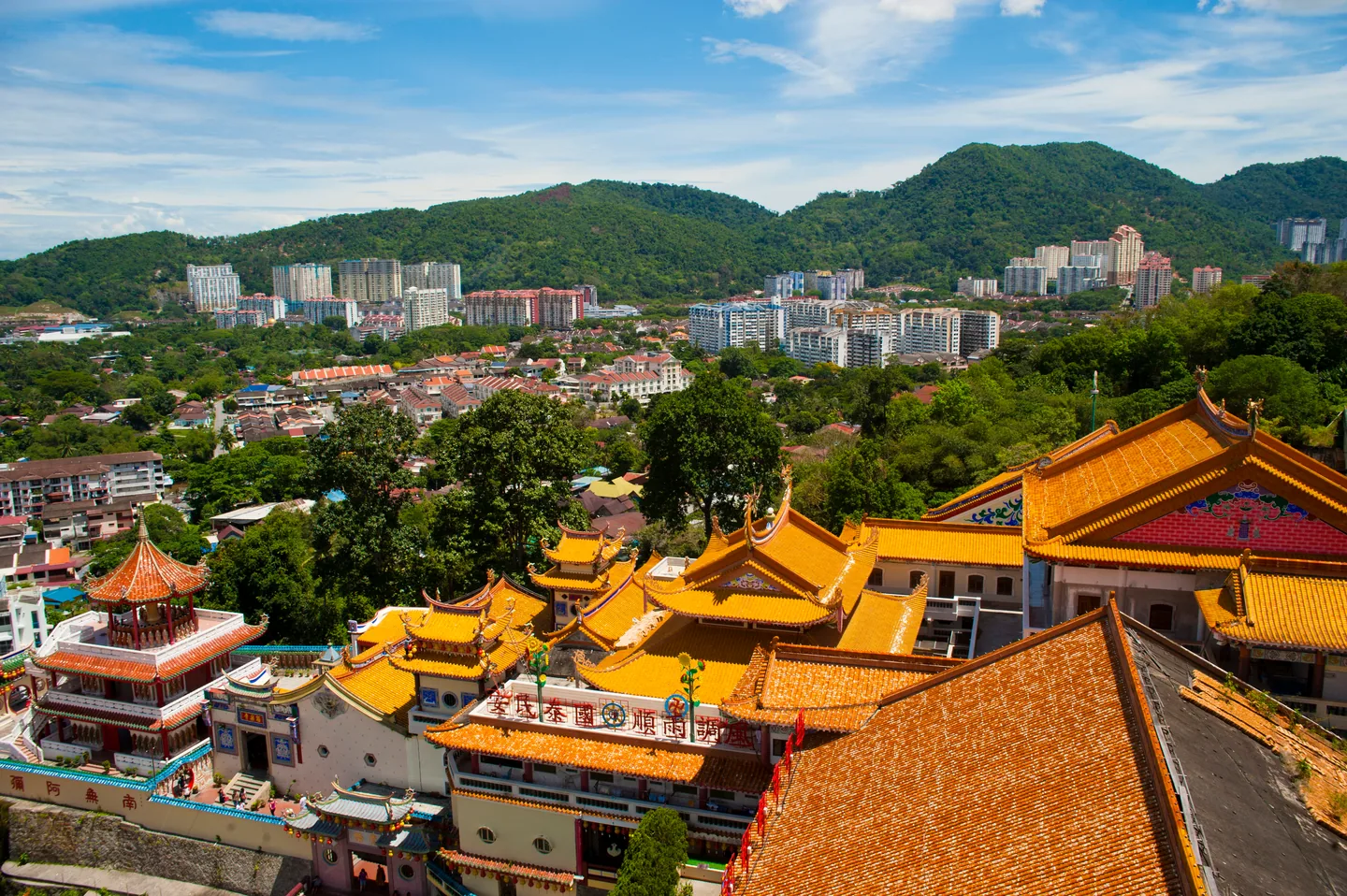
Penang is a popular choice for foreign retirees seeking a balance of heritage, food, healthcare access and an established international community. George Town is part of the UNESCO-listed Melaka and George Town, Historic Cities of the Straits of Malacca listing, recognised for its multicultural heritage and historic trading role.
Coastal areas such as Tanjung Tokong, Tanjung Bungah and Batu Ferringhi may appeal to retirees who prefer condominium living near the sea.
Penang also offers access to multiple private healthcare providers listed in the Malaysia Healthcare Travel Council’s official hospital directory, supporting Malaysia’s position as a recognised healthcare travel destination.
This state may suit retirees who want a slower pace than Kuala Lumpur while still having access to hospitals, seafront areas, shopping and English-speaking services.
Kuala Lumpur and the Klang Valley
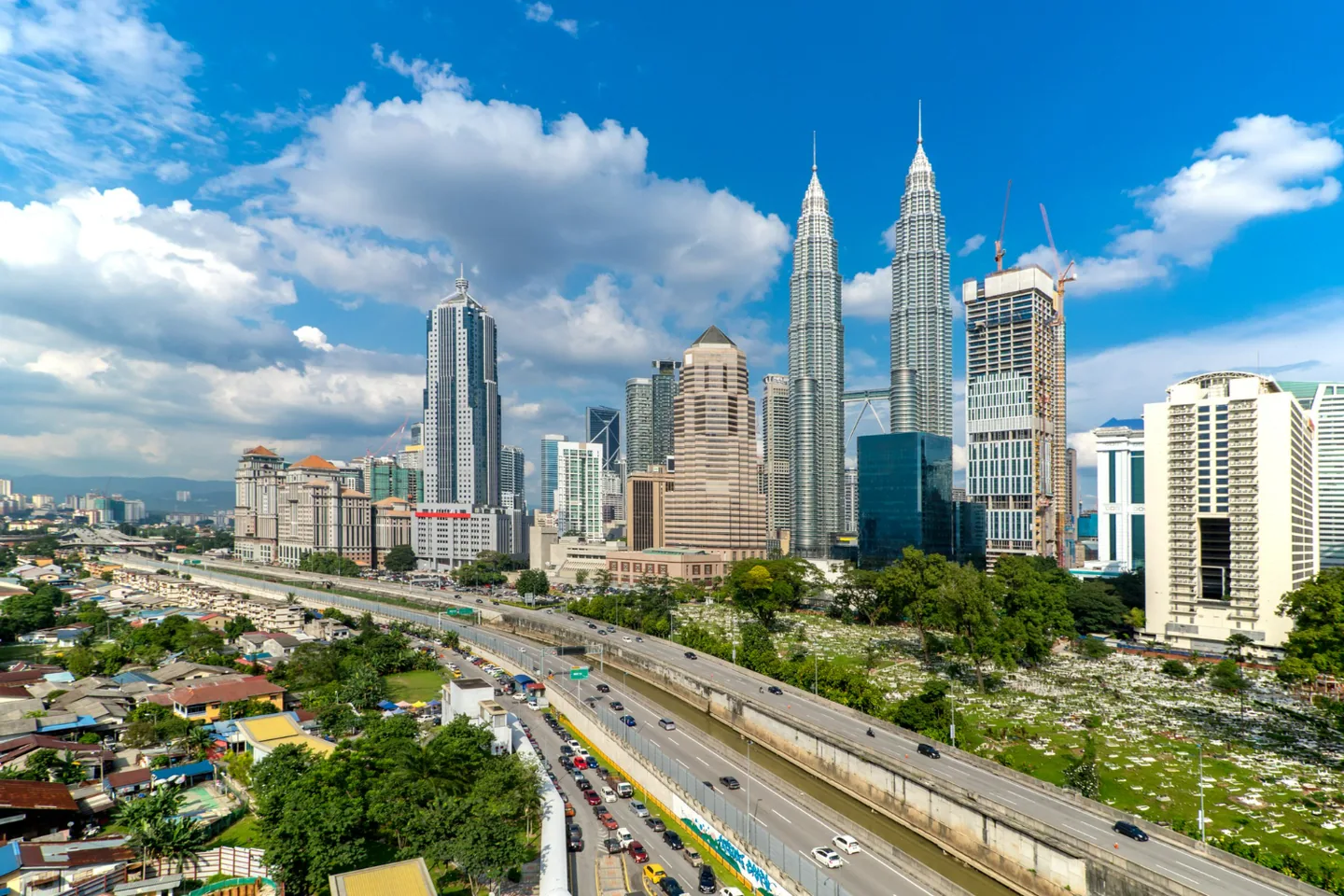
Kuala Lumpur and the Klang Valley is suitable for retirees who prefer an urban lifestyle with the widest range of property options, private hospitals, shopping malls, embassies, international schools and daily conveniences.
As Malaysia’s capital city, it offers the most complete international amenities for foreigners who want city living.
Areas commonly considered by international residents include:
- Mont Kiara
- Bangsar
- Kuala Lumpur City Centre
- Desa ParkCity
- Petaling Jaya
- Subang Jaya
Transport is another advantage. The Rapid KL network covers key rail and bus services across Kuala Lumpur and the Klang Valley, making the city practical for retirees who want better connectivity without relying entirely on driving.
Johor Bahru and Forest City
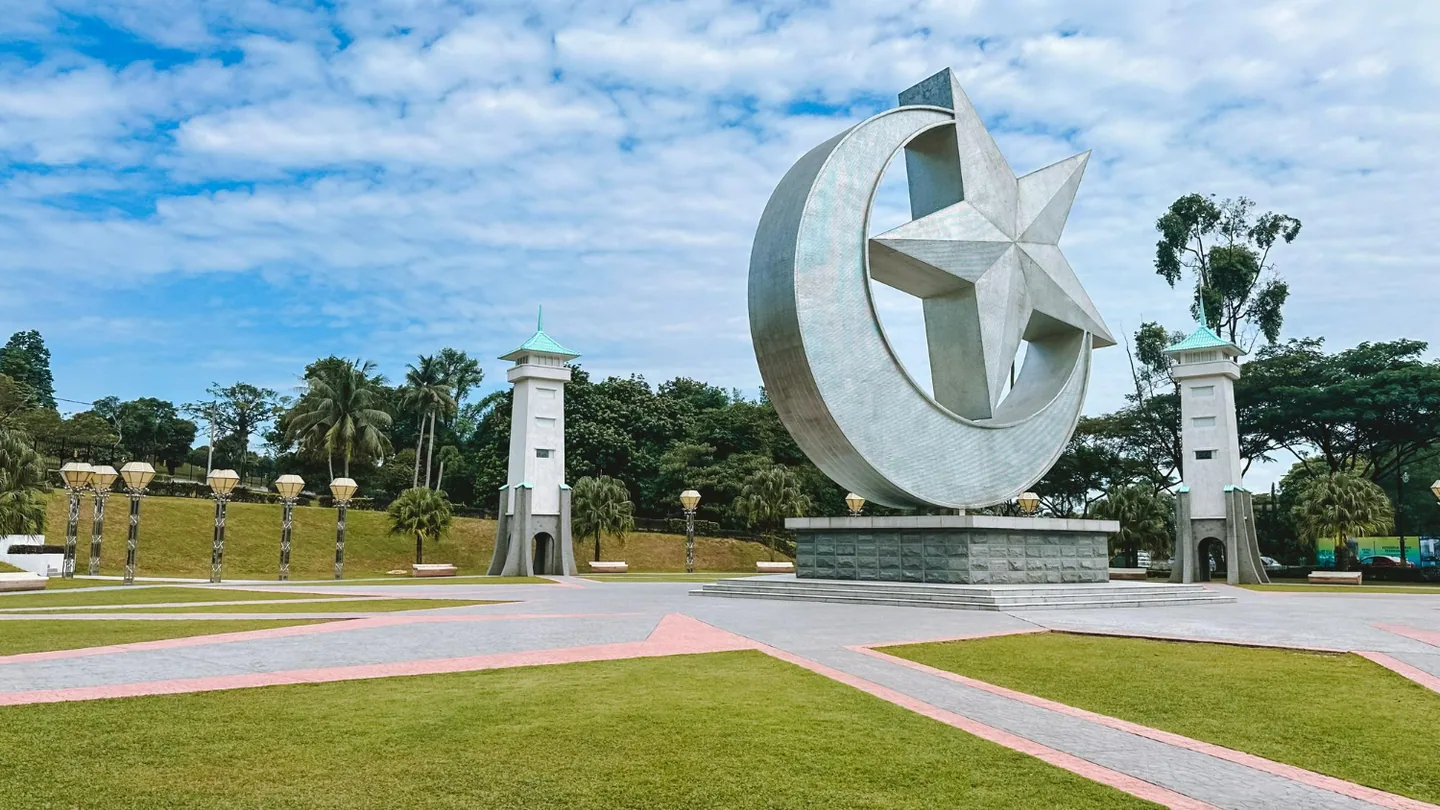
Johor Bahru may appeal to retirees who want to stay close to Singapore for family visits, flights, medical appointments or frequent cross-border travel.
Forest City is also linked to the official SEZ/SFZ MM2H category, which offers a lower fixed deposit requirement than the national Silver, Gold and Platinum categories. This option may suit applicants who are specifically interested in Forest City, Johor and are comfortable with the SEZ/SFZ property requirements.
Melaka
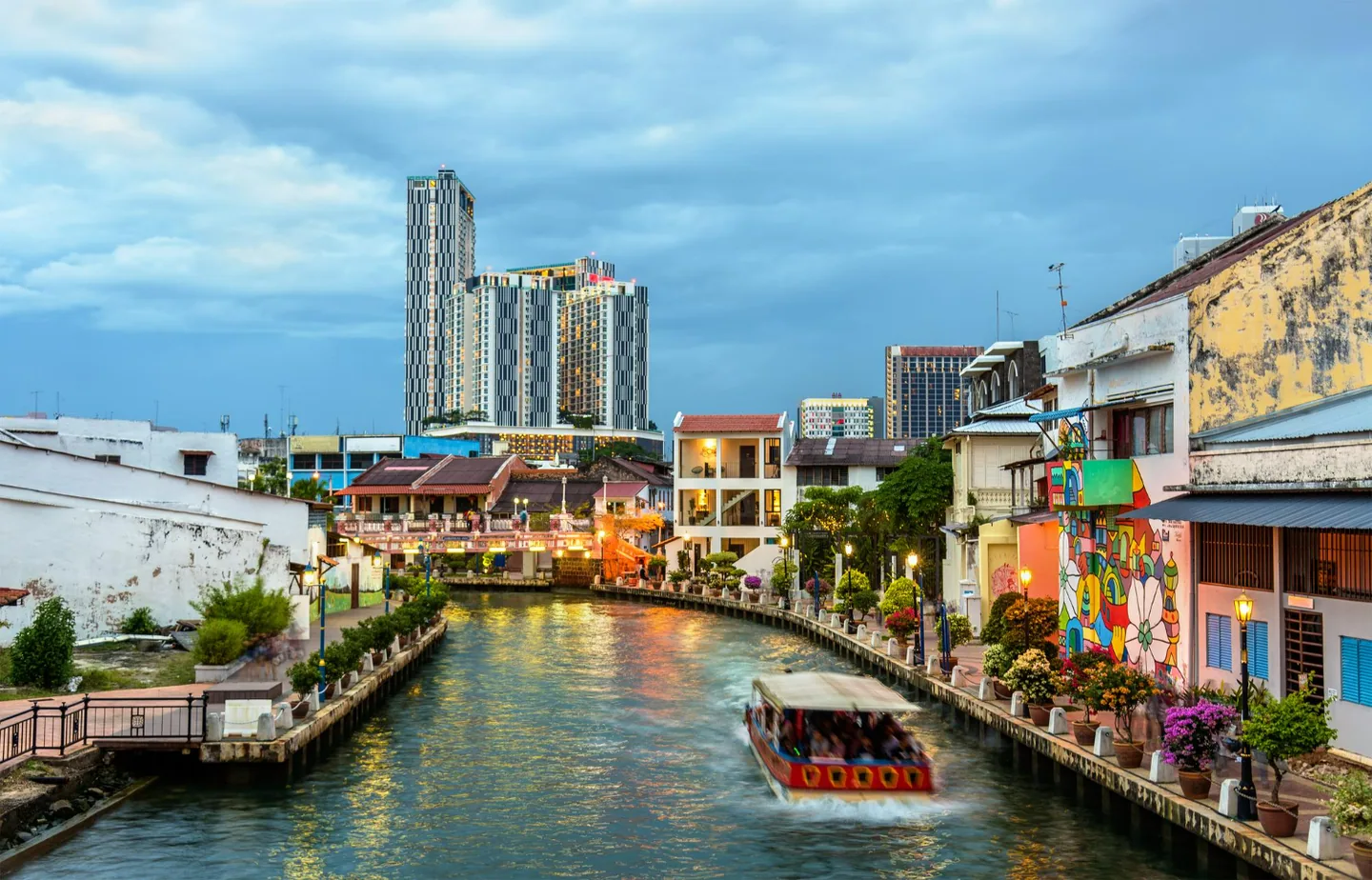
Melaka is a suitable place to retire in Malaysia for foreigners who prefer a smaller city with a relaxed pace, cultural character and access to daily amenities.
Its historic centre is part of the UNESCO-listed Historic Cities of the Straits of Malacca, with charming streets, walkable neighbourhoods, local food and riverside cafés contributing to its laid-back atmosphere. It is also known for its blend of Malay, Chinese, Portuguese, Dutch and British influences.
Located within convenient reach of Kuala Lumpur, Melaka also offers access to established private hospitals. This makes it appealing to retirees seeking heritage surroundings, healthcare access and everyday convenience.
Ipoh
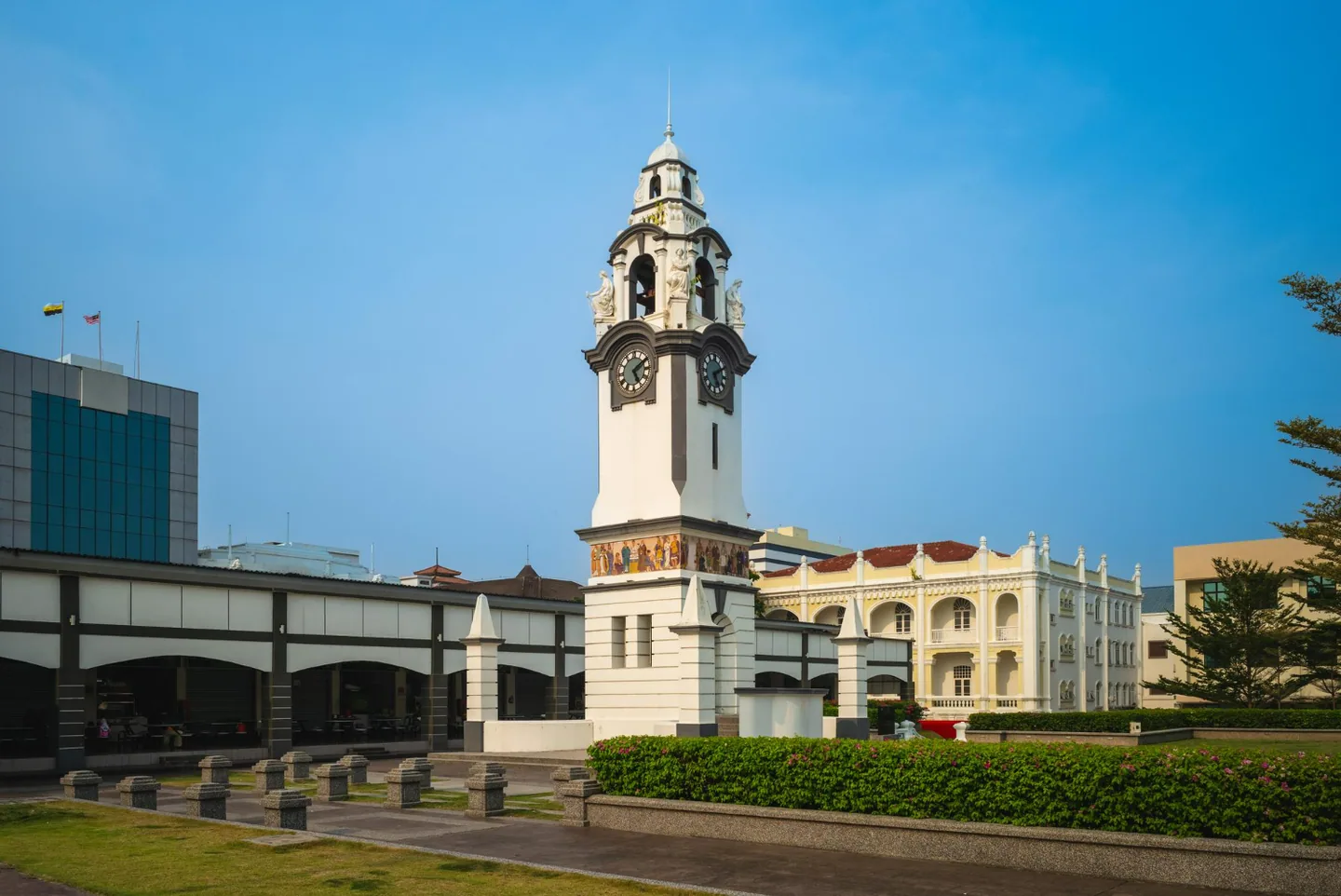
Ipoh may suit foreign retirees looking for a quieter and less crowded city lifestyle. The city offers heritage areas, local food, natural attractions and essential services, while the Electric Train Service (ETS) provides direct rail connections between Ipoh and Kuala Lumpur.
As the capital of Perak, Ipoh combines established residential neighbourhoods with a distinctive heritage centre, local food culture and easy access to the limestone hills and natural attractions surrounding the city.
Retirees with ongoing or complex medical needs should nevertheless check whether the specialists and healthcare facilities they require are available locally before deciding to settle there.
How to Apply for MM2H as a Retiree
Applications for the national MM2H programme must be submitted through a MOTAC-licensed MM2H company and processed through the MM2H One Stop Centre.
Perfect Homes (MM2H) Sdn. Bhd. can guide retirees through each stage of the application journey, from identifying a suitable MM2H category and preparing the required documents to application submission and visa endorsement.
The general process includes receiving conditional approval, completing the required medical examination, insurance and fixed deposit arrangements in Malaysia, and obtaining the final MM2H visa endorsement.
For a detailed step-by-step guide covering eligibility criteria, required documents, application procedures and estimated timelines, read our MM2H Requirements 2026 guide or contact Perfect Homes for professional MM2H application assistance.
Your Retirement in Malaysia Starts Here

Retiring in Malaysia as a foreigner is a practical and well-supported option for those seeking a comfortable long-term lifestyle in Southeast Asia. Its relatively affordable cost of living, accessible healthcare, low risk of major natural disasters and welcoming multicultural society make Malaysia a destination worth serious consideration.
Some MM2H participants also choose a flexible arrangement, dividing their time between Malaysia and their home country based on visa conditions and personal plans.
The Malaysia My Second Home (MM2H) programme provides eligible foreigners with a structured, government-backed pathway to live in Malaysia for the long term. With several programme categories and financial requirements to consider, understanding which option best suits your circumstances is an important first step.
Ready to explore Malaysia as your second home? Contact Perfect Homes (MM2H) Sdn. Bhd. to learn more about your MM2H options.
Answer Library
FAQs
Can I work in Malaysia after retiring on the MM2H visa?
Only Platinum visa holders are granted the exclusive right to work and operate a business in Malaysia. Silver and Gold holders are not permitted to work under their MM2H visa.
Do I need to live in Malaysia full-time?
No. You are only required to spend a cumulative minimum of 90 days per year in Malaysia. This requirement is also fully waived for main applicants who are aged 50 and above at the time of application.
Is my foreign pension or overseas income taxable in Malaysia?
MM2H participants may enjoy tax exemption on foreign funds or income, subject to current Malaysian tax rules and conditions. Applicants should seek independent tax advice before relying on any tax benefit.
Can I bring my elderly parents to Malaysia under MM2H?
Yes. Parents and parents-in-law of the main applicant are eligible as dependants under all MM2H packages, making it possible for eligible family members across generations to be included under one application.
How long does the MM2H application process take?
According to MOTAC’s Client’s Charter, a completed MM2H application is processed within 90 working days from the date of receipt, subject to the bank’s confirmation during the same period. Working with a licensed MM2H agent can help ensure the application is properly prepared and submitted, but the actual approval timeline depends on the authorities’ review and supporting checks.
Can I sell my property after purchasing it under MM2H?
Under the current MM2H rules, participants are generally not allowed to sell the residence purchased under the programme within 10 years, unless it is to upgrade to another residence of higher value. Any sale or new purchase must also follow Malaysian property laws, state regulations and the latest MM2H conditions.